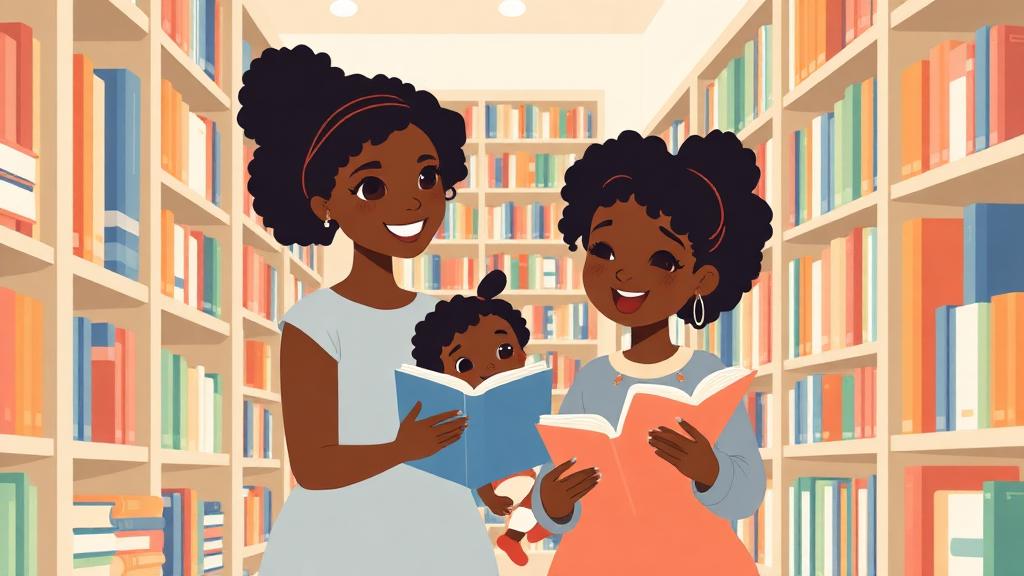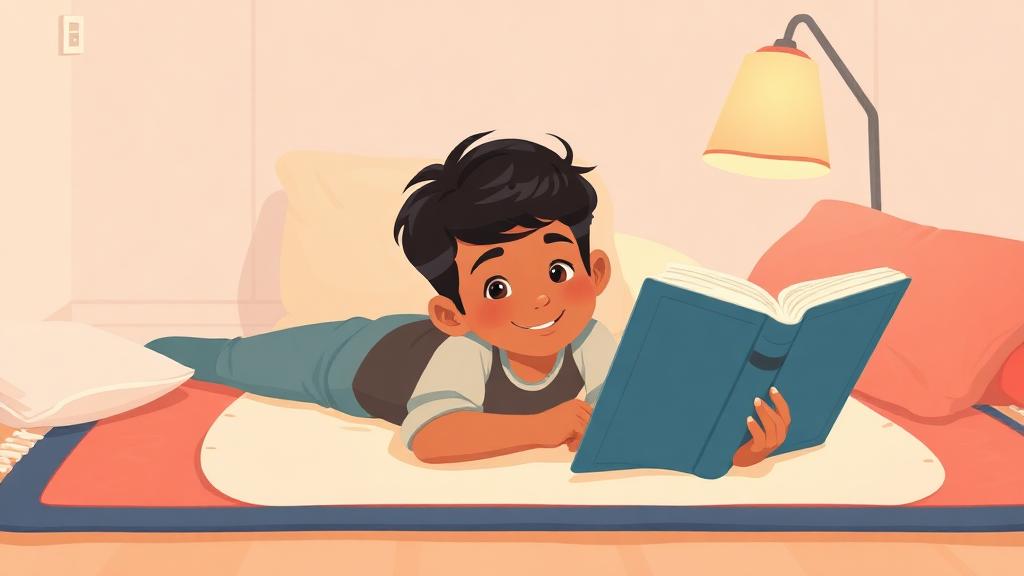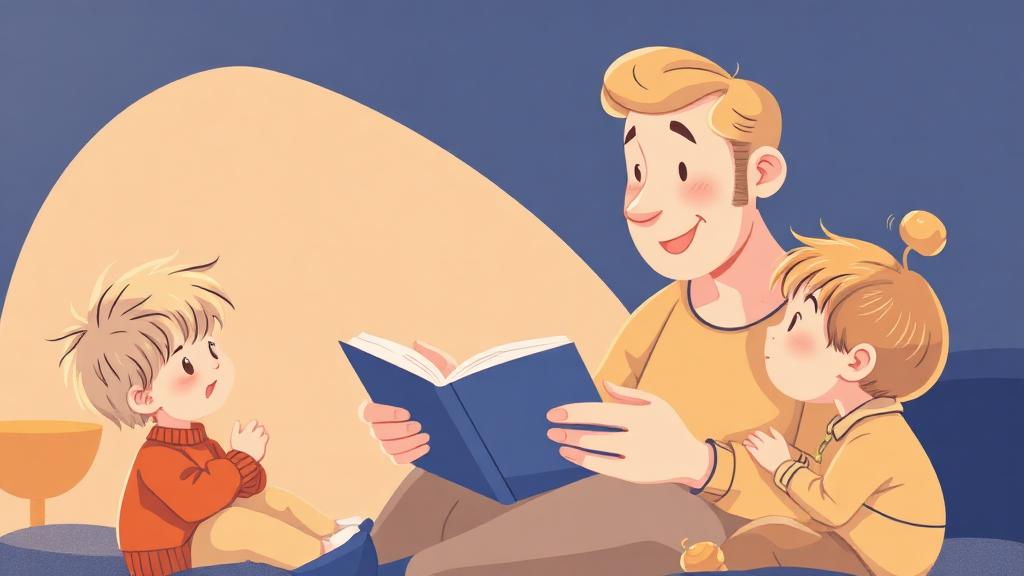
Reading aloud is the single most important thing you can do to help your child become a reader. It works at every age—yes, even for teenagers. Here's how to make the most of this powerful practice.
The Science Is Clear
Research consistently shows that children who are read to:
- Have larger vocabularies
- Score higher on reading comprehension tests
- Develop stronger literacy skills
- Show greater school readiness
- Have better attention spans
- Form stronger bonds with their caregivers
The American Academy of Pediatrics recommends reading aloud from birth. But it's never too late to start.
Tips for Every Age
Babies (0-12 months)
What's Happening:
At this stage, babies are learning the rhythm of language, bonding with your voice, and beginning to associate books with comfort.
How to Read:
- Hold baby so they can see your face AND the book
- Use exaggerated expressions and varied tones
- Point to pictures and name objects
- Don't worry about finishing—it's okay to just look at pages
- Make it part of routines (feeding, bedtime, tummy time)
What to Read:
- Board books with high-contrast images
- Books with faces
- Rhyming books and nursery rhymes
- Touch-and-feel books
Pro Tip: Your voice matters more than the words. Feel free to narrate what you're doing all day—it builds the same language skills.
Toddlers (1-3 years)
What's Happening:
Toddlers are language sponges. They're learning 10+ new words per day and starting to understand narratives.
How to Read:
- Let them turn pages (even if they skip or go backward)
- Ask simple questions: "Where's the dog?"
- Make animal sounds and encourage imitation
- Repeat favorite books endlessly (this builds mastery)
- Connect books to real life: "Look, a truck like in your book!"
What to Read:
- Repetitive books with patterns
- Books with flaps and textures
- Simple stories with familiar objects
- Rhyming books (Dr. Seuss level)
Pro Tip: Toddlers love predictability. When you read the same book 47 times, they're not being annoying—they're learning.
Preschoolers (3-5 years)
What's Happening:
Children now understand more complex plots, can predict what comes next, and are building narrative comprehension skills.
How to Read:
- Pause before predictable phrases and let them fill in
- Ask "what do you think will happen?" questions
- Discuss characters' feelings: "How do you think she feels?"
- Let them retell stories in their own words
- Act out scenes together
What to Read:
- Picture books with longer text
- Stories with problems and solutions
- Books that build vocabulary
- Concept books (numbers, letters, colors)
- Books about topics they love
Pro Tip: Don't just read the words—read the pictures. What's happening in the illustrations? What details did the author include?
Early Elementary (5-8 years)
What's Happening:
Many children this age are learning to read independently, but read-alouds should continue! Their listening comprehension exceeds their reading ability.
How to Read:
- Read books above their independent level
- Introduce chapter books with cliffhangers
- Discuss character motivations and themes
- Let them follow along with their own copy sometimes
- Continue even after they can read alone
What to Read:
- Beginning chapter books
- Longer picture books
- Books from series they'll want to continue
- Non-fiction on their interests
- Poetry and verse novels
Pro Tip: Reading aloud models fluent reading—expression, pacing, and phrasing that new readers haven't mastered yet.
Older Elementary (8-12 years)
What's Happening:
Many parents stop reading aloud when kids can read independently. This is a mistake! Reading together remains valuable.
How to Read:
- Choose compelling books neither of you has read
- Discuss themes and make connections to life
- Analyze author's craft: "Why did the author do that?"
- Let them read aloud sometimes too
- Make it a ritual—consistent time each day
What to Read:
- Middle-grade novels with depth
- Award-winning books
- Classics that might be challenging alone
- Books from your own childhood
- Non-fiction and biography
Pro Tip: In the car is perfect for audiobooks, which count as read-alouds and can be discussed together.
Teens (13+)
What's Happening:
Yes, read to your teenagers! They still benefit from shared reading experiences and the connection it creates.
How to Read:
- Share articles, essays, or poems you found interesting
- Read the same book and discuss (like a two-person book club)
- Listen to audiobooks on road trips
- Share excerpts from books you're reading
- Accept that some teens prefer reading alone—offer, don't force
What to Read:
- Young adult novels
- Non-fiction on topics they care about
- News articles and opinion pieces
- Books being made into movies or shows
- Poetry and short stories
Pro Tip: Even if they won't sit for a read-aloud, leave interesting books where they'll find them. Plant seeds.
General Read-Aloud Tips
Use Your Voice
- <strong>Character voices</strong> – Even simple variations add engagement
- <strong>Pacing</strong> – Slow down for suspense, speed up for action
- <strong>Volume</strong> – Whisper for quiet moments, project for exciting ones
- <strong>Pauses</strong> – Let dramatic moments land
Engage, Don't Interrogate
Questions are good; quizzes are not. Ask questions that invite thinking, not ones that test comprehension. "I wonder why..." invites more than "What color was the bear?"
Make It Cozy
Create a routine that signals read-aloud time:
- Specific location (reading chair, bed, couch)
- Consistent time (bedtime, after dinner, morning)
- Physical closeness (snuggling, side by side)
- Comfort items (blankets, stuffed animals)
It's Okay to Skip, Adapt, or Stop
- Long book getting boring? Summarize and skip ahead
- Content too mature? Edit on the fly
- Nobody likes this book? Abandon it without guilt
Protect This Time
Read-alouds are easy to skip when life gets busy. Fight for this time. Even 10 minutes matters.
Track Your Read-Aloud Journey
Use Readloops to:
- Log every book you read together
- See how many books you've shared over the years
- Remember favorites to recommend to others
- Celebrate milestones in your read-aloud life
The hours you spend reading aloud become the voice your children hear in their heads when they read for life.
Topics
Track Your Child's Reading Journey
Use Readloops to log books, set reading goals, and celebrate milestones. It's free to start!
Get Started Free