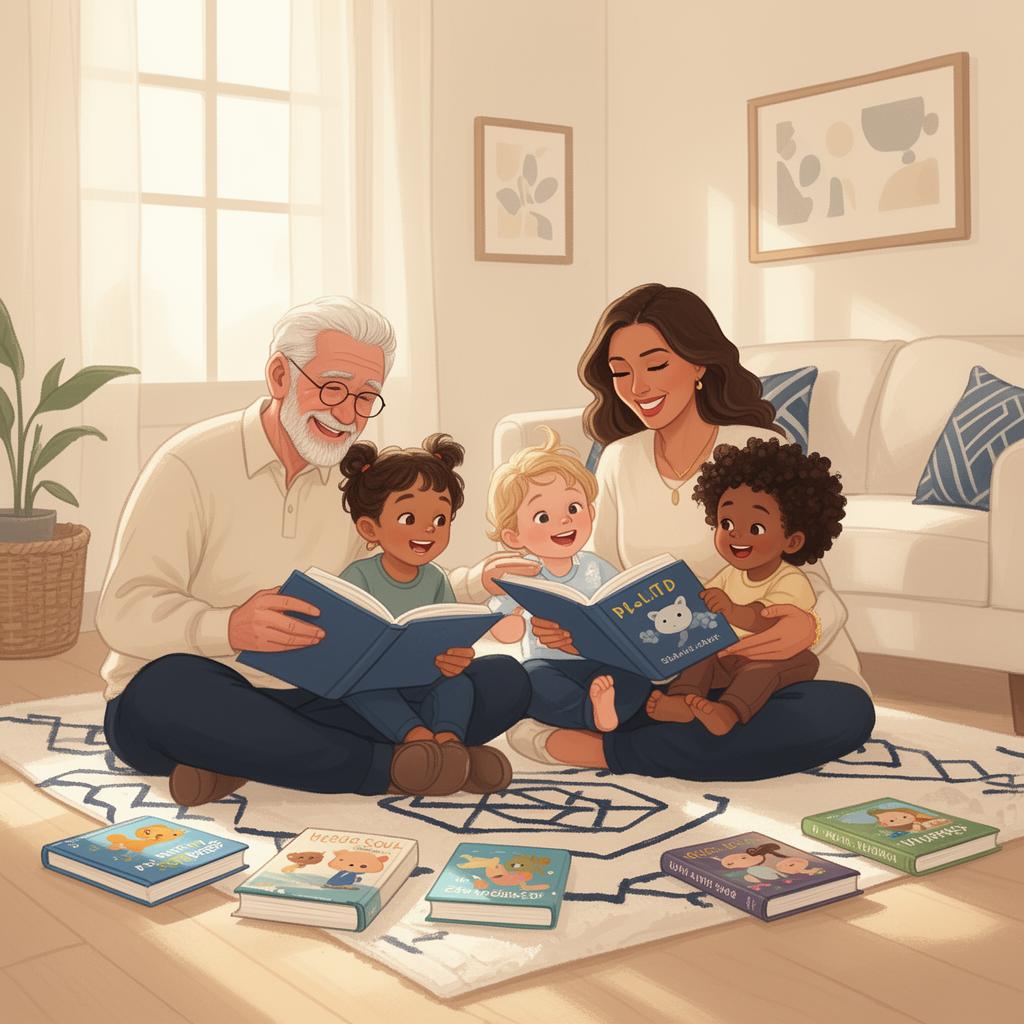
In a world of tablets, smartphones, and streaming services, helping children develop a reading habit can feel like an uphill battle. But the goal isn't to eliminate screens—it's to create space for books alongside them.
The Research Reality
Let's look at what studies actually tell us:
What We Know About Screen Time
- The American Academy of Pediatrics recommends limiting screen time for children ages 2-5 to one hour per day of high-quality programming
- For children 6 and older, they recommend consistent limits on time and types of media
- Studies show that excessive screen time correlates with sleep problems, attention difficulties, and reduced physical activity
What We Know About Reading
- Children who are read to daily are exposed to approximately 1.4 million more words by age 5 than those who aren't
- Reading for pleasure at age 15 is a stronger predictor of career success than socioeconomic background
- Physical books promote deeper reading comprehension than digital texts for most children
The Nuance
Not all screen time is equal. Educational apps, video calls with grandparents, and e-books all have value. The goal is intentionality, not prohibition.
Practical Strategies That Work
1. Read Before Screen Time
Make reading the "gateway" to screens:
- 20 minutes of reading before tablet time
- Finish a chapter before watching a show
- Read together first thing in the morning before devices are available
This establishes reading as the default activity and screens as the exception.
2. Create Device-Free Zones
Physical spaces without screens:
- Bedrooms (especially important for sleep)
- The dinner table
- The car (audiobooks are a great alternative for road trips)
- The reading nook (if you have one!)
3. Model the Behavior
Children imitate parents:
- Let them see you reading physical books
- Put your own phone away during family time
- Share what you're reading and why you enjoy it
- Have "device-free" time together
4. Make Books Convenient
Books should be as accessible as tablets:
- Books in every room of the house
- Books in the car for waiting times
- A library bag always ready to go
- Books visible, not hidden in shelves
5. Pair Reading with Beloved Content
Connect books to screens:
- Read books that have movie adaptations, then watch together
- Find books about their favorite game or show characters
- Use interest in a show to explore non-fiction on the topic
6. Establish Routines
Consistent habits beat willpower:
- Bedtime reading as non-negotiable
- "Silent reading time" after school
- Weekend library visits
- Reading during meals (yes, really!)
Age-Specific Strategies
Toddlers (1-3 years)
- Keep screens minimal; focus on board books
- Make books part of every routine (meals, naps, bedtime)
- Let them "read" independently, turning pages and exploring
Preschoolers (3-5 years)
- Limit screens to 1 hour of educational content
- Interactive reading with questions and predictions
- Let them choose library books
Early Elementary (5-8 years)
- Screen time as earned privilege after reading
- Independent reading time with parental reading nearby
- Book series to encourage "one more chapter"
Tweens (9-12 years)
- Discuss and agree on screen time limits together
- Introduce graphic novels and magazines
- Book clubs with friends
When Reading Competes (and Loses)
Sometimes screens will win. That's okay. Focus on the overall pattern, not individual days.
If your child is truly resistant to reading:
- <strong>Start where they are</strong> – Comics, magazines, joke books all count
- <strong>Audiobooks are valid</strong> – Listening develops literacy too
- <strong>Read to them</strong> – Even older children benefit from being read to
- <strong>Address the "why"</strong> – Sometimes reading resistance is about struggling, not preference
Track Progress to Motivate
Use Readloops to:
- Make reading feel like an achievement
- Visualize progress over time
- Set goals and earn rewards
- Celebrate reading milestones
When children see their reading tracked and celebrated, books become more appealing than just another competing activity.
The Bottom Line
Screens aren't the enemy of reading—lack of intention is. With clear boundaries, accessible books, and modeled behavior, children can enjoy both digital media and the irreplaceable experience of a good book.
Balance isn't about perfection. It's about making sure books always have a seat at the table.
Topics
Track Your Child's Reading Journey
Use Readloops to log books, set reading goals, and celebrate milestones. It's free to start!
Get Started Free